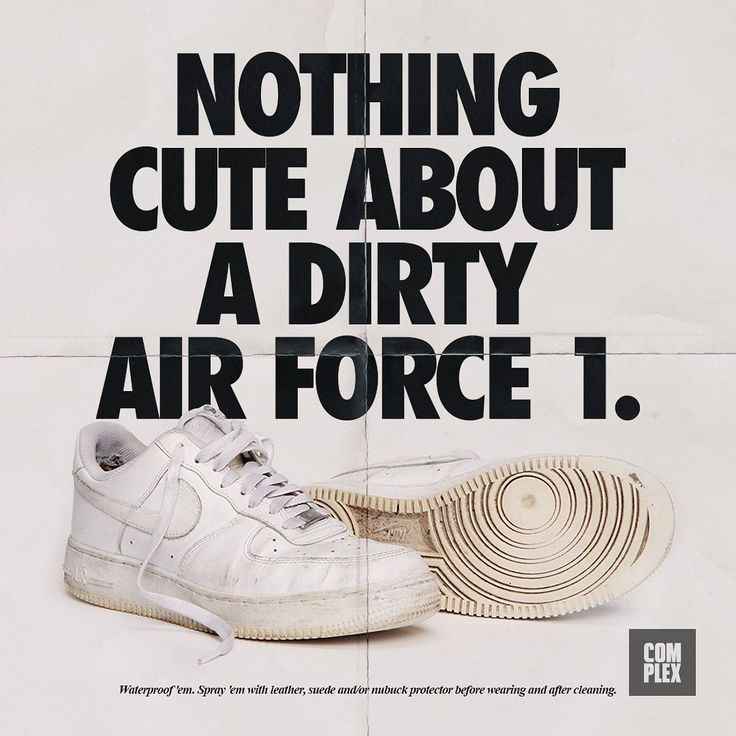
From basketball courts to Instagram feeds: a mix of culture, hip-hop, status and a form of consumerism hiding in plain sight.
Born in 1982 as simple basketball shoes, Nike Air Force 1s were quickly absorbed by New York streetwear and hip-hop culture. Today they’re everywhere: from rappers to students, of ice workers to influencers and they embody both a clean, minimalist aesthetic and the contradictions of global consumer culture: belonging, visibility, and environmental cost.
One spotless white pair, and suddenly a whole code is immediately recognized. The Air Force 1 is no longer just a sneaker; it’s a cultural business card that people hand around, often without knowing what it really means.
The Birth of a Cultural Icon
Designed for basketball, it soon left the courts and settled in New York’s streets. Worn by kids in the neighbourhoods, it appeared at block parties and in early hip-hop videos. That shift transformed a sports item into a marker of community identity: the shoe became a language. The visual power of the AF1 lies in its simplicity: clean lines, a smooth white surface, almost like a blank canvas anyone can make their own. That neutrality is what allowed it to spread so widely. During the 1990s and 2000s, as the shoe kept circulating within hip-hop culture, its iconic status solidified. Jay-Z, for instance, wore it repeatedly throughout his career, anchoring the AF1 in the symbolic universe of American rap. In 2010, he even took part in the “All Black Everything” collaboration, proof that a sneaker once considered an everyday item had become an object of luxury and exclusivity.
The AF1 as a Social Signal
Around that time, stories began to circulate — half anecdote, half urban myth — claiming that some artists and entrepreneurs in hip-hop would replace their white AF1s the moment they got dirty, cultivating an aesthetic of purity, newness, the immaculate. Whether this practice was true or exaggerated, it revealed something undeniable: the sneaker had become a social signal.
Today, the Air Force 1 is everywhere: on rappers, high-schoolers, influencers, managers. What once belonged to a specific environment has turned into a globalized language. Uniformity has replaced individuality, raising a question: what happens to identity when the same symbol circulates across different groups? Can we still talk about “style” when it merges with a norm adopted by the majority?
Consumerism in Plain Sight: Style or Short-Lived Visibility?
The sneaker also exposes the logic of consumption that defines our era. Millions of pairs are produced every year, and many are replaced not because they’re worn out but because they’re no longer perfectly white,so less “postable.” Visibility becomes a requirement, and the shoe turns into an item with an extremely short lifespan: production, purchase, brief use, disposal, replacement. The aesthetic of cleanliness and newness hides a massive ecological cost: extraction of materials, transport, waste.
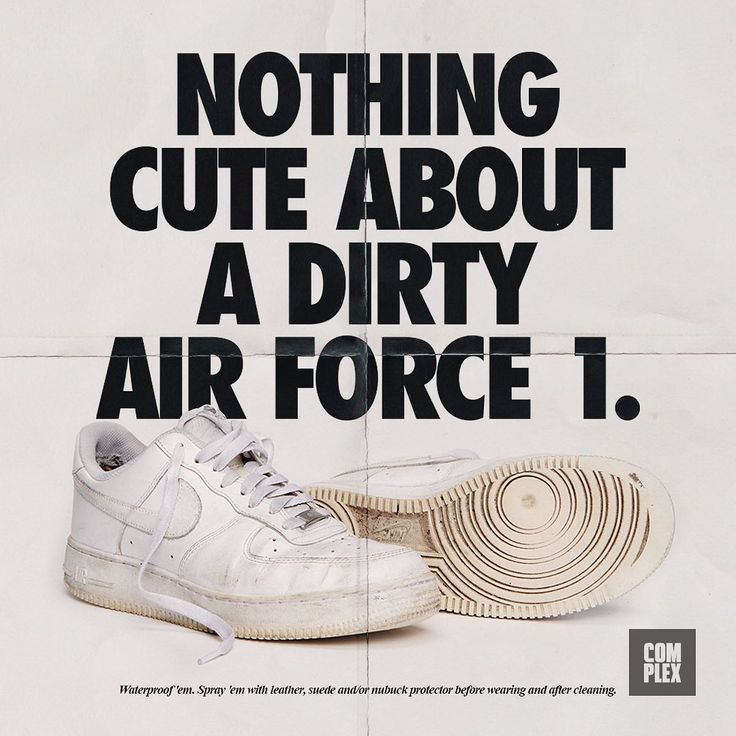
© Complexsystem – Instagram
Nike no longer sells just a sneaker, but a promise of belonging and cultural legitimacy. What truly circulates isn’t leather or rubber: it’s the feeling of instant integration. Streetwear, born as a free and rebellious language of the neighbourhoods, has gradually dissolved into the logic of the global market. It still carries traces of its origins, but now it also fuels a discreet, integrated, almost invisible consumerism.
Style, Identity, and the Future of Fashion
Yet the next aesthetic shift might not come from the trendiest sneaker, but from a different relationship with objects: buying less, choosing better, repairing more, customizing instead of replacing. Real style may lie in resisting uniformity and inventing one’s own way of relating to objects and how long they last.
The history of the Air Force 1 reflects both the triumph of an icon and the paradoxes of an era where identity sometimes tries to hide in the perfect folds of a white sneaker.
In the end, the story of the Air Force 1 is double: the rise of a global symbol, and the symptom of a world where sameness often stands in for identity. Wearing an AF1 can mean belonging, taste, or simply comfort, but the question remains: will we be able to turn that gesture into a conscious choice rather than a repeated reflex?





Laisser un commentaire